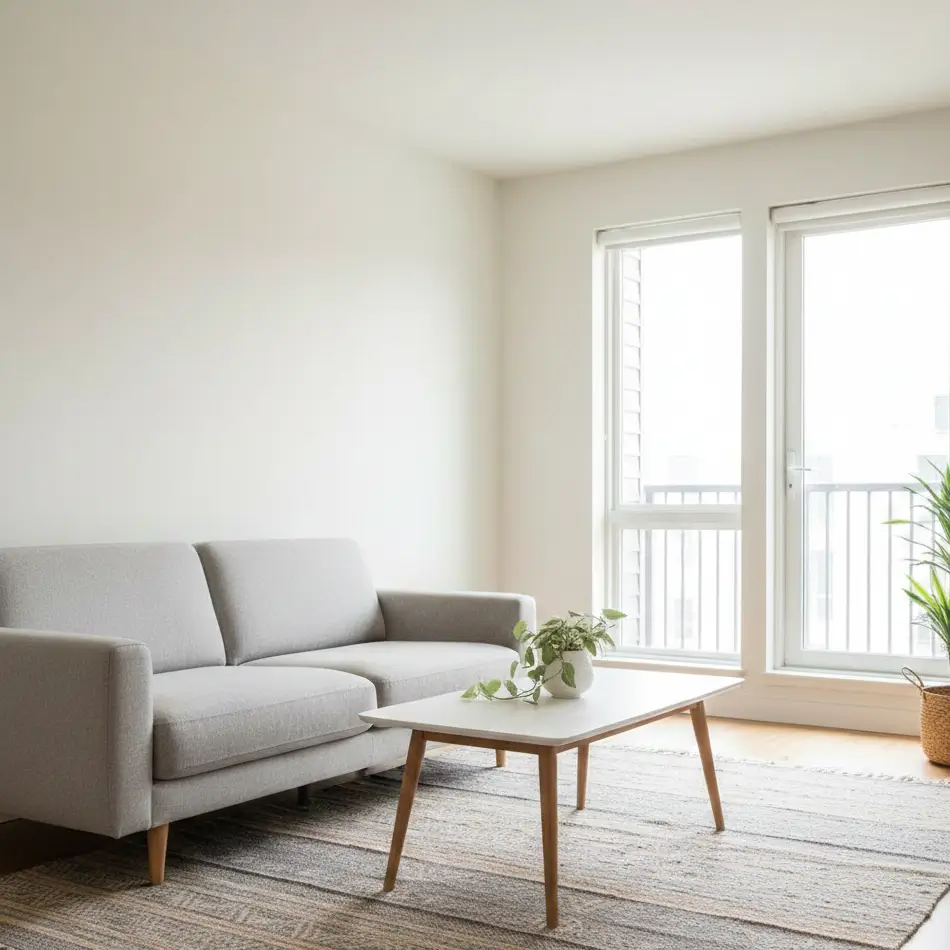
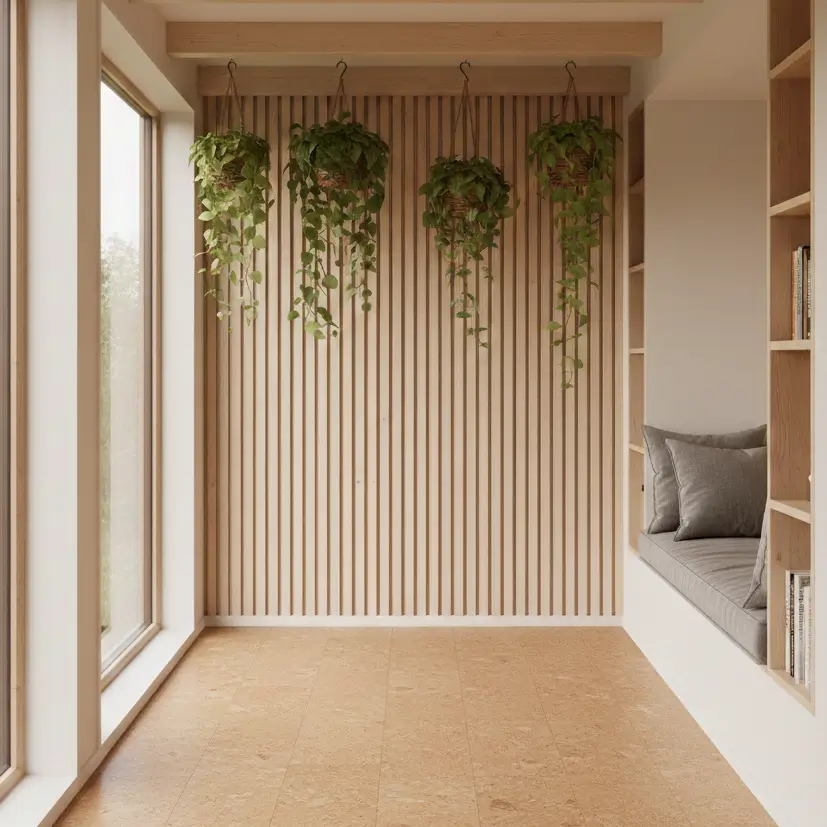
I used to think “bringing nature indoors” meant tripping over a giant Fiddle Leaf Fig in my 350-square-foot studio. It took me about three toe-stubs to realize that in a tiny house, floor space is the ultimate currency. You can’t just fill it with pots.
living in small spaces can sometimes feel boxy and disconnected. Humans crave nature, it’s a concept called biophilia. We need organic shapes, natural textures, and greenery to feel calm.
So, how do you turn a cramped box into a breathing sanctuary without losing a single square inch of walkable area?
The answer lies in verticality, texture, and light manipulation. Whether you have a $50 budget for some DIY shelving or $1,000 for a total material overhaul, you can integrate biophilic design into your tiny home.
What is Biophilic Design in the Context of <400 Sq Ft?
Biophilic design in tiny homes isn’t just about plants. It involves three core pillars: Direct Nature (living plants utilizing vertical space), Indirect Nature (wood textures, stone, organic fabrics), and Space & Light (maximizing natural light and airflow). In spaces under 400 sq ft, the goal is to increase perceived depth using these elements.
Why It Matters for Small Spaces
In a standard 2,000 sq ft home, a blank white wall is “minimalist.” In a 200 sq ft tiny house on wheels (THOW), four blank white walls can feel like a medical exam room. Biophilic elements soften the hard edges of efficient architecture.
When I first started designing for small footprints, I noticed that adding wood grain textures and hanging greenery didn’t just make the space look better; it made it feel larger. The organic complexity tricks the eye, breaking up the rigid lines of a small room.
- Mental Relief: Studies show seeing wood grain and plants lowers cortisol.
- Acoustics: Plants and soft natural textiles absorb sound, critical in echo-prone small spaces.
- Air Quality: Certain plants filter toxins from paint and finishes, which is vital when you’re breathing in a low-volume air space.
Vertical Gardens: The Zero-Footprint Solution
Stop using floor pots. Use vertical wall planters (4-6 inch depth) or hanging tension rod systems. A DIY mounted trellis costs roughly $40-$80. For renters, magnetic planters or suction-cup window shelves ($20-$50) add greenery without drilling.
The “Living Wall” on a Budget
You’ve seen those lush, irrigated living walls in hotel lobbies. They cost thousands and require plumbing. That’s likely overkill for us.
In my own workspace, I utilized a simple grid trellis system. It stands about 1 inch off the wall and holds 4-inch pots.
- Total depth used: 5 inches.
- Floor space used: 0 sq ft.
- Cost: ~$65 (Materials: wire grid, S-hooks, terracotta pots).
If you are dealing with a rental or a temporary setup, check out vertical gardening in small spaces. The key is to ensure your vertical structure is anchored into studs if the total weight exceeds 15-20 lbs.
Best Plants for Tiny Vertical Spaces
Not all plants like living on a wall. You need species that trail or stay compact.
- Golden Pothos: Indestructible. Trails down 3-6 feet.
- Snake Plant (Sansevieria): Grows up, not out. Great for narrow corners.
- Heartleaf Philodendron: Tolerates the lower light often found in tiny house lofts.
For a comprehensive list of species that won’t take over your living room, look into indoor plants for small apartments.
Natural Materials: Texture vs. Paint
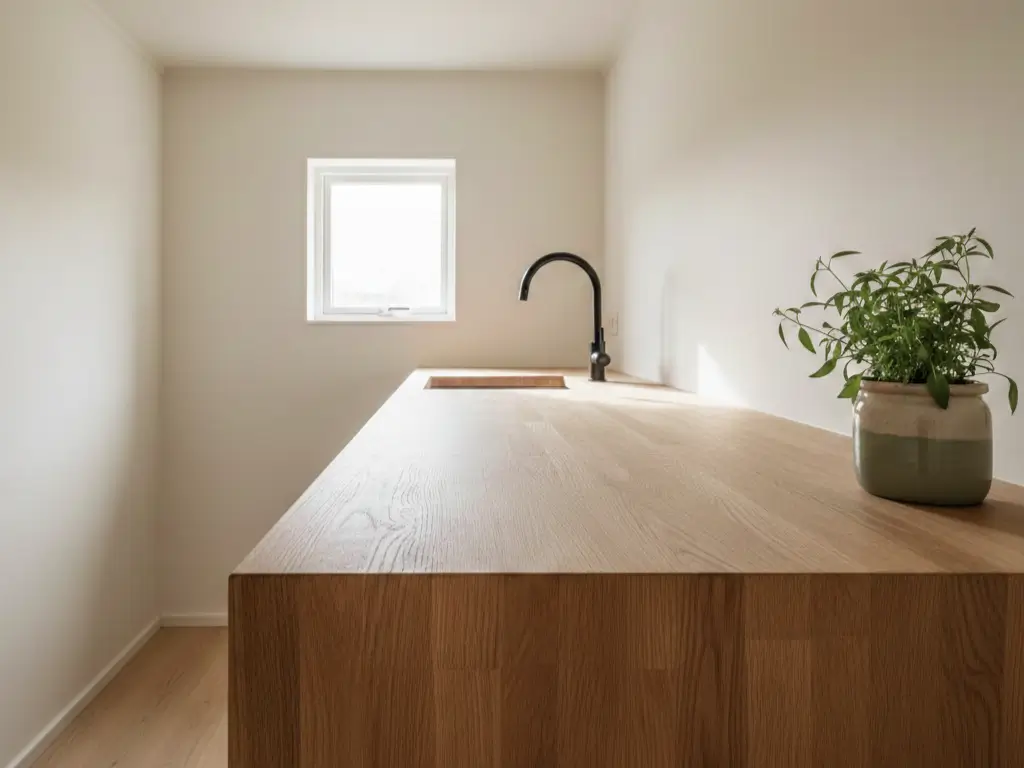
Replace synthetic surfaces with natural ones. Swapping a plastic laminate countertop for a butcher block or adding a reclaimed wood accent wall introduces “Indirect Nature.” Budget: Reclaimed wood installs run $5-$10 per sq ft; peel-and-stick wood veneer is ~$3 per sq ft.
The Warmth of Wood
In a tiny home, you are always touching the architecture. You lean against walls, touch ceilings in lofts, and brush against counters. The tactile experience matters.
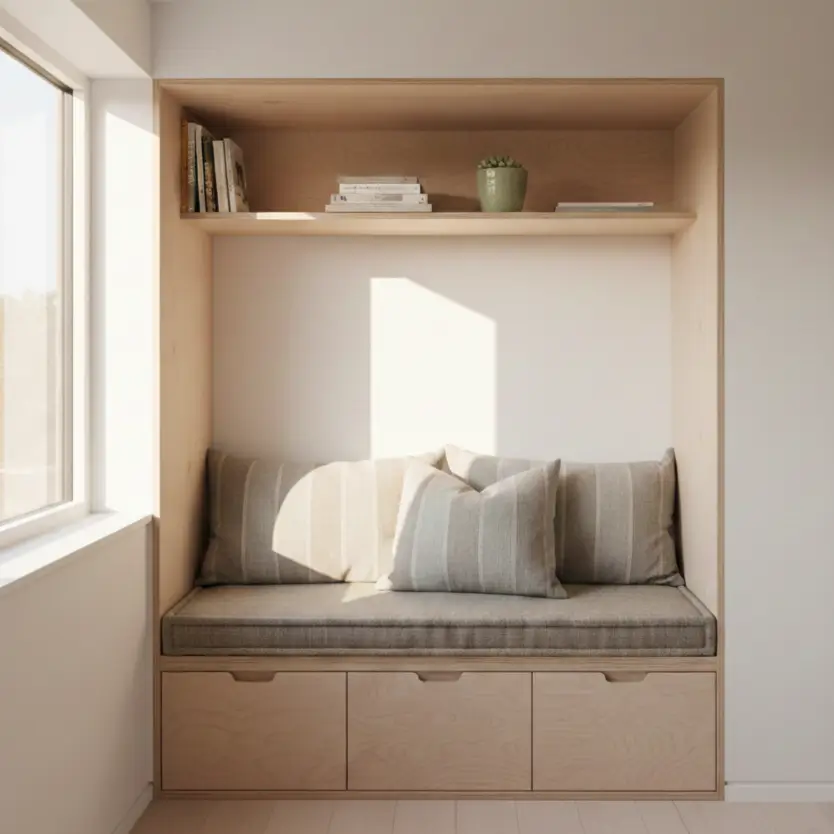
Using real wood, even just for trim, shelving, or a headboard, changes the sensory experience. I recommend lighter woods like Birch, Maple, or Pine for small spaces. They reflect light rather than absorbing it, keeping the space airy.
If you are building from scratch or renovating, the choice of wood interior elements defines the “temperature” of the home. A 12×12 inch sample of raw cedar smells and feels different than a painted drywall square.
Stone and Textiles
Biophilic design also embraces the “imperfect.”
- Kitchen: Consider a stone or concrete composite sink rather than stainless steel.
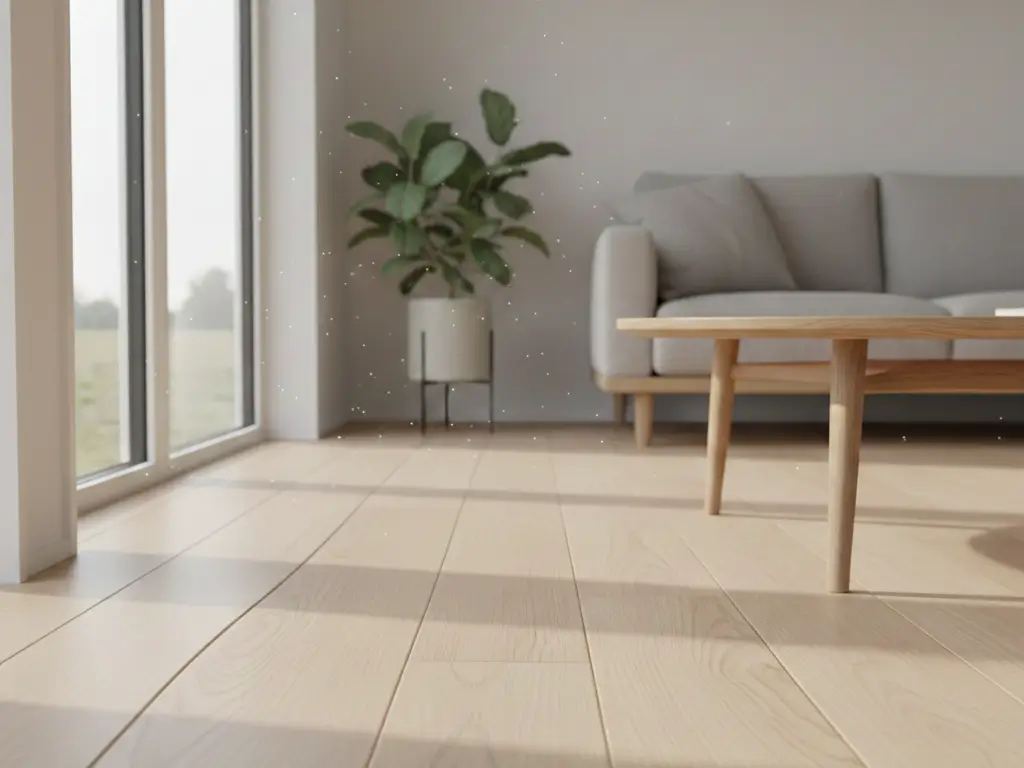
- Flooring: Cork flooring is sustainable, warm underfoot, and antimicrobial. It’s perfect for the 40-60 sq ft of flooring usually found in a THOW.
- Decor: Linen curtains and wool rugs add organic softness.
For those strictly renting, you might not be able to rip out floors. However, layering natural rugs or using removable wood-look wallpapers can mimic the effect. See our guide on tiny house flooring options for renter-friendly ideas.
Maximizing Natural Light in Tight Quarters
Biophilia requires light. In spaces with few windows, use mirrors opposite light sources to double the lux input. Keep window treatments sheer. Paint window jambs white to reflect light inward. Budget: Mirrors ($30+), Sheer linen curtains ($20+).
The Mirror Trick
It’s the oldest trick in the book because it works. Placing a large mirror (24×36 inches or larger) directly across from your main window bounces sunlight deep into the room. In a 300 sq ft space, this can make a dark corner viable for plant life.
Skylights and Clerestory Windows
If you own your tiny home or are in the build phase, prioritizing high windows (clerestory) allows light to wash across the ceiling, making the roof feel higher. It also provides a view of the sky/trees while maintaining privacy from neighbors.
Lighting isn’t just about the sun; it’s about mimicking it. When the sun goes down, avoid harsh 6000K “daylight” bulbs which feel sterile. Opt for warm 2700K-3000K LEDs. For more on creating atmosphere, read about tiny house lighting solutions.
Managing Moisture: The Biophilic Balance
More plants = more humidity. In a 200 sq ft tiny house, transpiration from 10 plants can raise humidity by 10-15%. You must monitor this to prevent mold. Aim for 40-50% relative humidity. Budget: Small dehumidifier ($40-$100).
The Bathroom Jungle
The bathroom is actually the safest place for moisture-loving plants. Ferns and air plants thrive on the humidity from your shower.
However, you must ensure your walls are protected. If you are mounting plants in the bathroom, use moisture-resistant paint behind them. We discuss this specifically in bathroom paint moisture solutions.
Design Tip: Use a teak bath mat or a pebble shower floor. These elements bring the “riverbed” feel to your feet, grounding you instantly, and they handle water exceptionally well.
Biophilic Design vs. Minimalist Design: A Comparison
Minimalism removes clutter; Biophilia adds life. They work best together in small spaces. Biophilic Minimalism focuses on quality natural materials and curated greenery, rather than empty white space.
| Feature | Strict Minimalism | Biophilic Design | Small Space Hybrid |
| Decor | None/Sparse | Abundant Plants | Vertical Plants Only |
| Materials | Chrome, Glass, White | Wood, Stone, Clay | Light Wood, Cork |
| Focus | Visual Cleanliness | Sensory Connection | Organized Nature |
| Clutter Risk | Low | High (if unchecked) | Low (if mounted) |
If you lean towards the “less is more” philosophy but feel your home is too cold, check out our guide on tiny house minimalist living to see how to blend these styles.
Budgeting for Your Green Tiny Home
It is easy to overspend on “aesthetic” planters and designer moss walls. Here is a realistic breakdown for a 300 sq ft space renovation focusing on biophilia:
- The “DIY Propagator” Tier (<$100):
- Cuttings from friends (Free).
- Thrift store jars/pots ($20).
- DIY macramé hangers ($15 cord).
- Peel-and-stick wood wallpaper accent ($50).
- The “Weekend Warrior” Tier ($200-$500):
- Wall-mounted trellis system ($80).
- 10 Nursery plants ($150).
- Linen curtains and natural fiber rug ($150).
- Full spectrum grow lights for dark corners ($60).
- The “Structural” Tier ($1000+):
- Real reclaimed wood wall installation.
- Skylight installation.
- Custom built-in planters with drainage.
For a deeper dive on managing costs, especially if you are building, refer to tiny house budget planning.
Final Thoughts
Biophilic design in a tiny home isn’t about creating a jungle that you have to machete your way through to get to the bathroom. It’s about intentional connection.
It’s the rough texture of a wooden shelf, the morning light hitting a single trailing Pothos, and the clean air you breathe in a small volume space.
Start small. Next weekend, try mounting one shelf near a window and placing two plants on it. Swap a plastic soap dispenser for a ceramic or glass one. See how the energy in your 400 sq ft changes.
You don’t need a mansion to connect with nature. You just need to invite it in, one vertical inch at a time.
For more inspiration on making your small space work for you, visit Veniola.com.