
Is it safe to paint metal inside a 400-square-foot home?
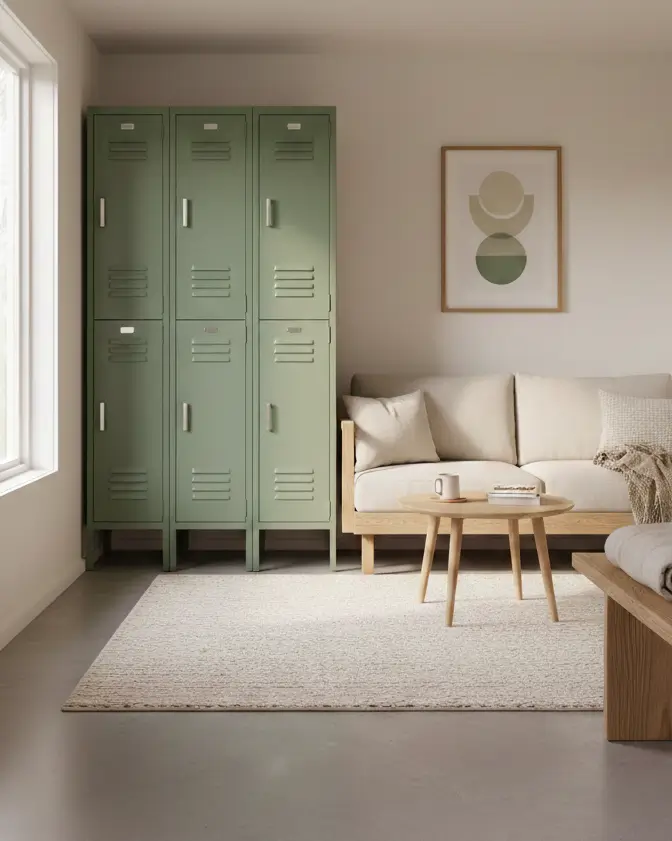
Most guides tell you to “work in a well-ventilated area.” But when your entire living space is one room, that advice feels useless. I learned this the hard way while trying to spray paint a vintage metal locker in my studio apartment. The fumes lingered for three days, and the overspray dust coated my bedsheets 12 feet away.
Yes, you can paint metal surfaces in small spaces, but you must prioritize brush-on acrylic enamels over spray cans to minimize airborne particulates and VOCs. Preparation (degreasing and sanding) is 80% of the work. For a standard metal chair or railing project, expect to spend $40–$60 on materials and dedicate 2–3 days for proper curing.
In a tiny house or apartment, metal is often a dominant material, think spiral staircases, loft railings, mini-fridges, and magnetic backsplashes. Painting these surfaces is the highest ROI (Return on Investment) project you can do. A $15 quart of paint can make a scratched, white industrial fridge look like a custom $2,000 retro appliance.
However, the stakes are higher here. In a tight envelope, traditional oil-based paints can release fumes that are dangerous in high concentrations. This guide focuses on the “Low-Fume Method”, getting durable, factory-smooth finishes without choking out your household.
The “Sticky” Problem: Why Metal is Different
Why does paint peel off metal in humid tiny homes? Metal is non-porous, meaning paint sits on top rather than soaking in. In tiny homes, high humidity from cooking and showering condenses on cold metal surfaces (like window frames or loft ladders), causing traditional latex paint to peel. You need a bonding primer or a direct-to-metal (DTM) enamel specifically formulated to bite into the surface and resist moisture.
The Adhesion Challenge
In a standard 2,000 sq ft house, a peeling railing is an annoyance. In a 300 sq ft tiny house, you are likely touching that railing 50 times a day to access your loft. The wear-and-tear factor in small spaces is roughly 4x that of a standard home.
When painting metal surfaces, you are fighting two enemies:
- Oxidation (Rust): Common in tiny homes with propane heat (which releases moisture).
- Smoothness: Factory finishes are too slick for new paint to stick.
For detailed steps on handling the moisture aspect, check our guide on paint problems and solutions.
Safety First: The Ventilation Equation
How do you manage fumes in less than 600 sq ft? Avoid aerosol spray paints entirely unless you can move the item outside. Aerosols atomize paint particles that travel up to 10 feet. Instead, use water-based acrylic alkyds. They offer the durability of oil with the cleanup of soap and water and significantly lower VOCs. Always maintain cross-ventilation during the drying window (typically 4 hours).
The Spray vs. Brush Reality
I used to believe spray paint was the only way to get a smooth finish on metal. I was wrong. Modern leveling paints allow you to brush or roll without brush marks.
| Feature | Spray Can (Aerosol) | Brush-On Enamel | Small Space Verdict |
| Overspray Radius | 6–10 feet | 0 feet | Brush wins (saves your furniture) |
| VOC Level | Very High | Low to Medium | Brush wins (saves your lungs) |
| Cost per Sq Ft | $2.00 – $3.00 | $0.40 – $0.60 | Brush is 5x cheaper |
| Dry Time | 15–30 mins | 2–4 hours | Spray dries faster |
If you must use a spray application for intricate items (like a wire basket), consider low VOC paint options specifically designed for indoor use, though they are harder to find for metal.
Preparation: The “Sandpaper Standard”
How do you prep metal without creating a dust storm? Cleaning is more important than sanding. Scrub the metal with a degreaser (like TSP substitute) to remove skin oils and cooking grease. Then, scuff-sand with fine-grit sandpaper (220-grit). In a small apartment, use “wet sanding” techniques (damp sandpaper) to trap dust in a slurry rather than letting it float into your air system.
The Prep Workflow for Small Spaces
- Degrease: Metal accumulates invisible oils. If you skip this, the paint will separate (fish-eye effect).
- Scuff: You don’t need to strip it to bare metal. Just take the shine off.
- Clean: Wipe with a lint-free cloth or tack cloth.
- Tape: Use high-quality painter’s tape. In small spaces, we often paint fixtures in place (like window frames). Precision taping saves you hours of cleanup. For tips on tools, see our review of painting tools for tight spaces.
Choosing Your Paint: The “Self-Leveling” Secret
What is the best paint for metal that doesn’t smell? Look for “Acrylic Alkyd Enamel” or “Urethane Acrylic.” These hybrids cure hard like an oil paint but wash up with water and have low odor. Popular effective lines include Sherwin-Williams Emerald Urethane or Benjamin Moore Advance. For appliances, look for specialized “Epoxy Appliance Paint,” though be warned: epoxy smells stronger.
Primer is Mandatory
Unless you are using a specific “2-in-1” product, you need a primer.
- For Ferrous Metal (Magnetic): Use a rust-inhibitive primer.
- For Non-Ferrous (Aluminum/Galvanized): Use a galvanized metal etching primer.
- For Plastic-Coated Metal: Use a bonding primer.
Choosing the right base is critical. If you are unsure about the surface, consult our guide on painting specific surfaces to identify your material.
Project Spotlight: The Tiny House Spiral Staircase
Painting a Loft Railing
A tiny house loft ladder or spiral stair is a focal point. Painting it matte black or a bold color can redefine the space. This project typically covers 15–20 linear feet of railing.
- Time: 6 hours (spread over 2 days)
- Cost: ~$45
- Method: Brush and mini-roller
The Process
- Protect the Zone: Since you can’t move the stairs, lay drop cloths covering a 3-foot radius.
- The “Glove” Trick: For round spindles or pipes, put on a rubber glove, then a cheap cotton jersey glove over it. Dip your gloved finger into the paint and slide your hand along the pipe. It coats 360 degrees instantly and smooths it out.
- The Mini Roller: Use a 4-inch high-density foam roller for flat steps. It leaves zero texture.
- Top Coat: Apply two thin coats. Thick coats will drip on vertical railings.
For more on choosing the right finish for high-traffic areas like stairs, read about paint finishes for small spaces.
Project Spotlight: The “Ugly” Appliance Makeover
Can you paint a mini-fridge or heater? Yes. Painting appliances allows them to blend into cabinetry, a crucial visual trick for tiny house kitchen design. Use Epoxy Appliance Paint (usually comes in spray, so move the fridge outside) or High-Heat Enamel for radiators and wood stoves.
Dimensions & Heat Considerations
- Radiators/Stoves: Standard paint will peel or scorch at 200°F. You must use high-heat paint rated for 1200°F if painting a wood stove pipe.
- Fridges: A standard apartment fridge is about 18 cubic feet (approx 30″ wide). One can of appliance epoxy covers roughly 15 sq ft. You will need 2–3 cans.
- Budget Check: A new retro-style Smeg fridge costs $1,500+. Painting your white Craigslist find costs $40.
Warning: Do not paint the rubber seals (gaskets). Paint makes them brittle, breaking the air seal and ruining the appliance’s efficiency.
Brush vs. Spray: A Cost & Safety Analysis
Comparing methods for a 400 sq ft apartment. Brushing takes 3x longer to apply but requires 10% of the prep time (masking off the whole room). Spraying is fast to apply but requires extensive masking and ventilation. For occupied small spaces, brushing is the superior choice.
| Criteria | Brush/Roll Method | Spray Can Method | Small Space Impact |
| Setup Time | 15 Minutes | 2 Hours (Masking everything) | Brush wins for convenience |
| Air Quality | Safe with open window | Hazardous indoors | Brush wins for health |
| Finish Quality | 8/10 (with right paint) | 10/10 (factory smooth) | Spray wins for aesthetics |
| Material Waste | Low | High (lost to air) | Brush wins for sustainability |
If you are debating investing in a sprayer for a larger build, check out spray vs brush vs roller in tiny houses.
Troubleshooting Common Mistakes
Why does my paint job look bad?
- Brush Marks: You over-worked the paint. Lay it on and leave it alone. Self-leveling paint needs gravity to work. If you keep brushing it as it dries, you create grooves.
- Peeling after 2 weeks: You likely skipped the degreaser. Kitchen grease is the enemy of adhesion.
- Rust returning: You painted over rust without a converting primer. You must remove loose rust or use a “rust reformer” product first.
If you have already messed up (it happens!), don’t panic. See our guide on painting over protective coatings to fix it.
Conclusion
Painting metal surfaces in a tiny house is more than just a color change; it’s a way to reclaim visual space and upgrade standard fixtures without the waste of buying new. By shifting from aerosol sprays to high-quality water-based alkyds, you can achieve professional, durable results without compromising the air quality of your compact home.
- Buy a sample pot of acrylic alkyd and test it on a small metal object (like a planter).
- Plan your project for a day with mild weather so you can keep windows open.
- Buy a good degreaser today, it’s the most overlooked step.
For more inspiration on styling your newly painted space, explore our tiny house decorating basics.